
SMHS Secondary Materials Health & Safety
This fully accredited practical training covers the wide range of workshop machinery, tools and equipment that is most commonly used by learners in schools and colleges.
As such equipment needs clear guidance for safe use, the Design & Technology Association recommends the Secondary Materials Health & Safety Training course a must-have for anyone delivering teaching (or supporting learners) in the following areas:
- Hand Tools
- Drilling Machine
- Guillotines, Shears & Trimmers
- Off-Hand Grinding Machine
- Sanding / Linishing Machines
- Mortiser
- Polishing (Buffing) Machine
- Power Fret / Scroll Saw
- Power Hacksaw / Metal Cutting Bandsaw
- Heat Processes: Brazing
- Heat Processes: Forging
- Heat Processes: Low Temperature (Pewter) Casting
- Heat Processes: Soft Soldering (Electronics)
- Plastics Processes: Injection Moulding & Extrusion
- Plastics Processes: Strip Heater & Vacuum Former
- Portable Power Tools (Drills & Sanders only)
Note 1: Each of these individual areas takes approx. 1 hour to complete and it is usually possible to cover up to 6 areas in a full day as a ‘bespoke’ training course that is tailored to your particular needs.
A typical day runs from 08:30-16:00 including the starter and plenary tasks, and it is also preferable that this training takes place at your own school/college (using your own specific machines and equipment) where possible.
During the training each machine or piece of equipment is discussed in depth when undertaking a ‘mini audit’ and a range of maintenance activities are also carried out, as required.
Following the session delegates will receive a range of editable digital H&S resources, current legislation and guidance materials.
All the activities conform to the current D&T Association Training Standards.
Note 2: Secondary Materials Health & Safety Training courses are also regularly hosted at other centres (accessed via Upcoming Events), which is more cost effective if only one or two members of staff require SMHS training.
SMHS courses in action:
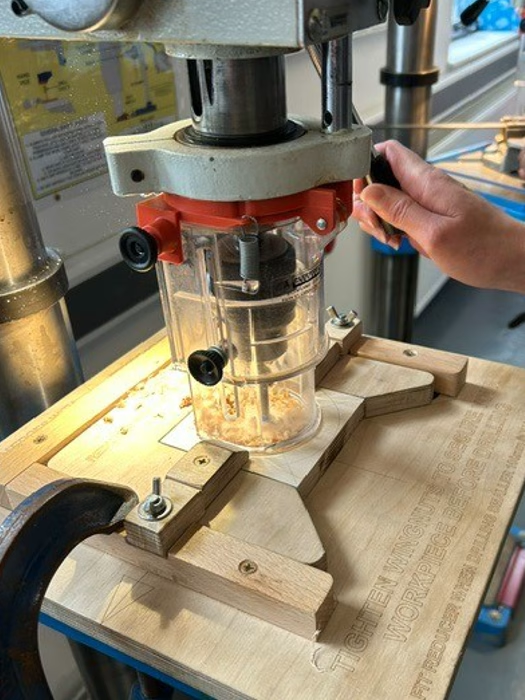
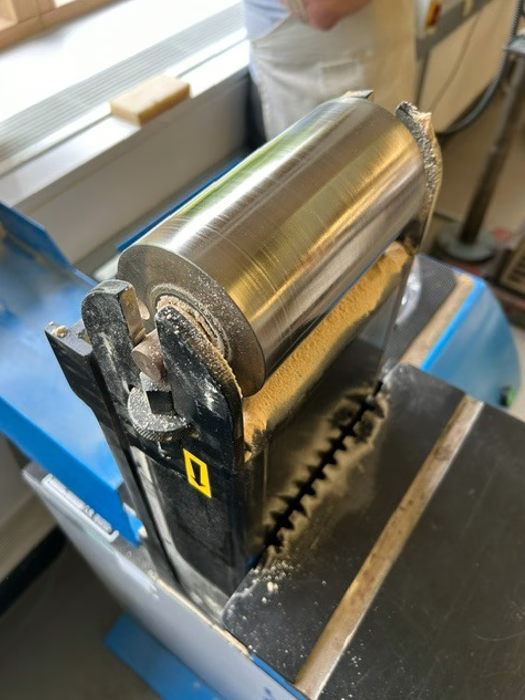
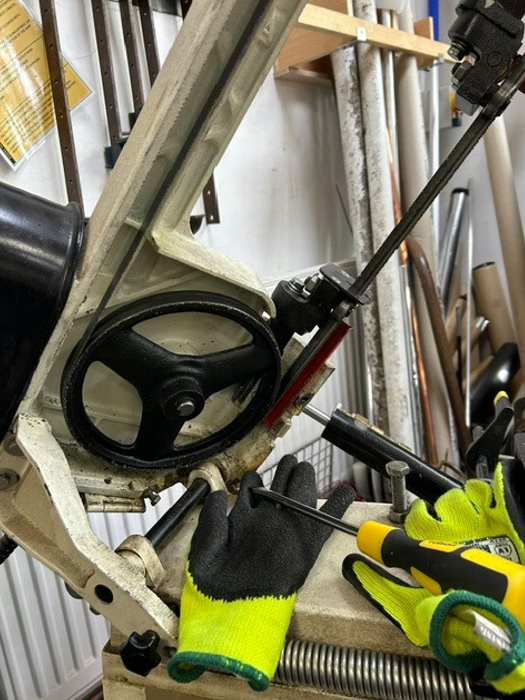
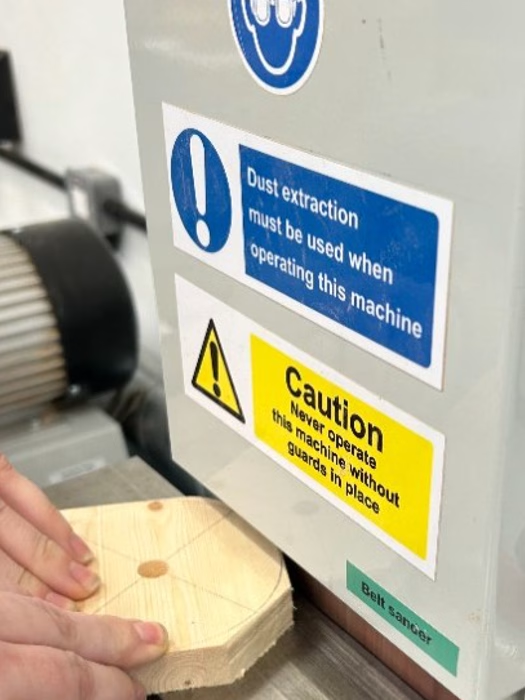
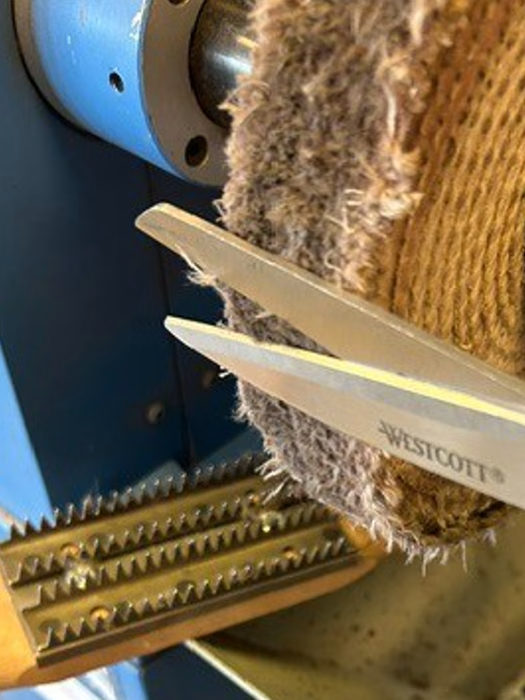

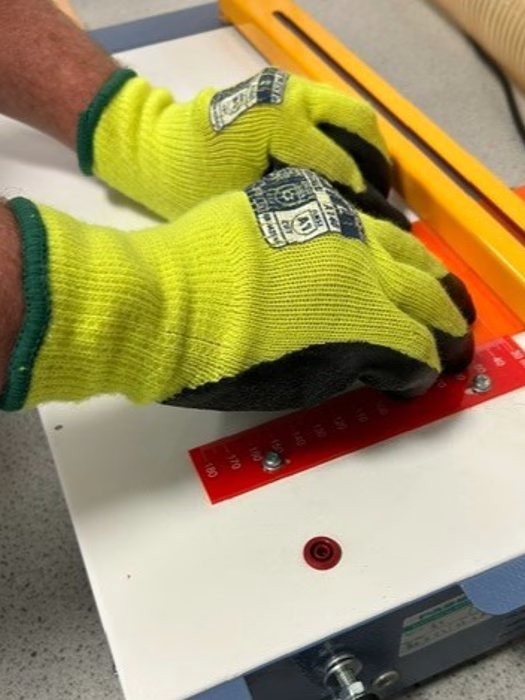

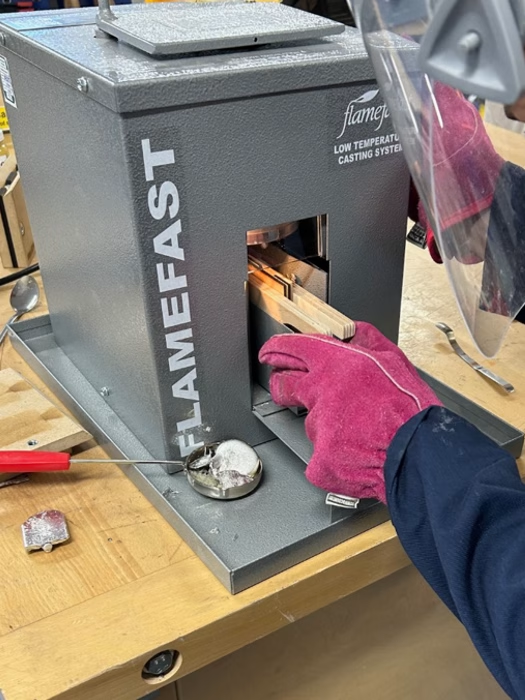
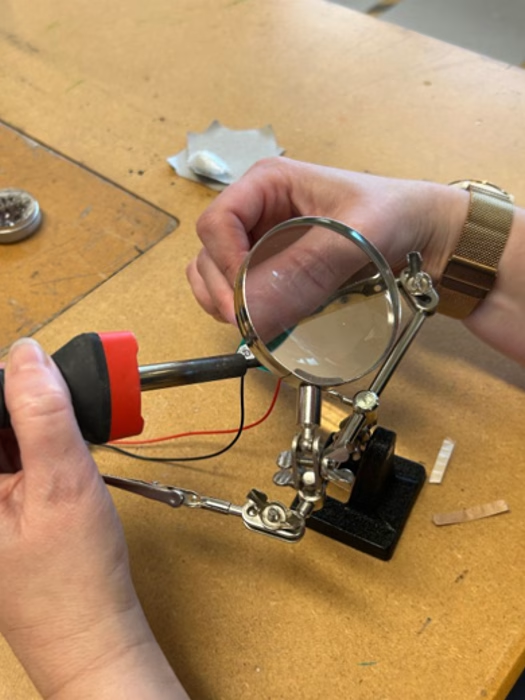
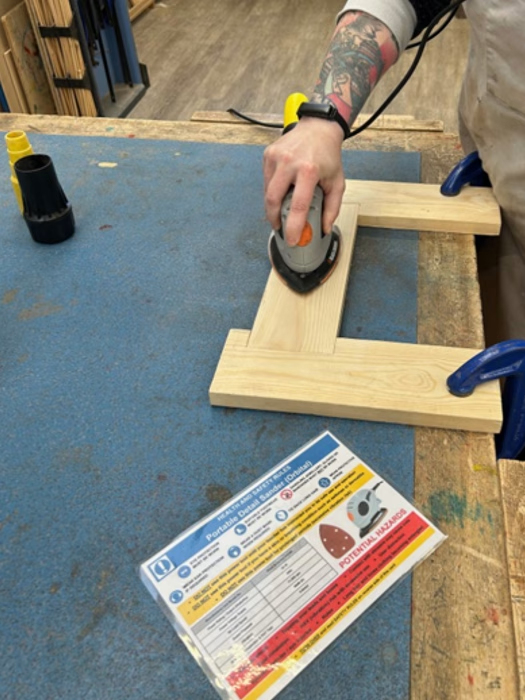
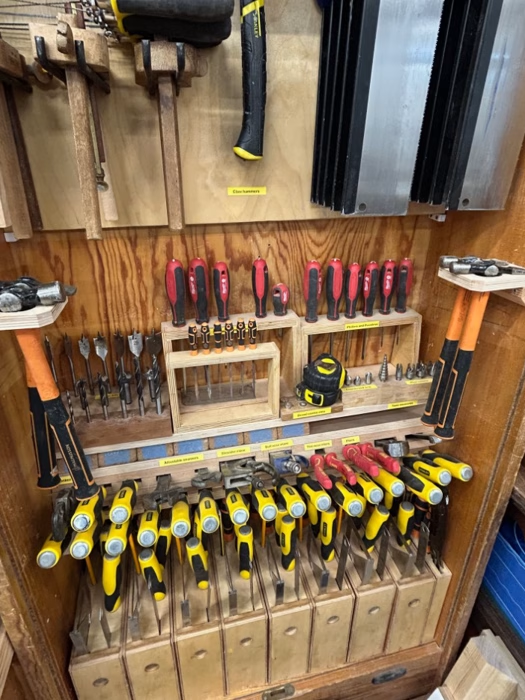
Note 3: Whilst the photos are indicative of the main areas usually covered during this training course, differences in the specific machines available etc. will dictate the exact content of these sessions.
Get H&S accredited!
We help create safe and supportive workplaces for students and staff
Our Valued Partners


